

Technology has transformed nearly every aspect of human life, and its influence goes far beyond convenience. Today’s technological advances help reduce mortality, improve health outcomes, boost productivity, enhance education, and support global trade and food security. Below, we explore the key ways technology has made life more bearable — supported by credible data and research evidence.
Table of Contents
Automation of Homes

Home automation integrates connected devices and smart technology to monitor and control household systems such as lighting, temperature, energy, and security. These technologies enhance comfort, safety, and energy efficiency, enabling remote control via smartphones or voice assistants.
Smart home systems also contribute to broader digital infrastructure that supports smart cities, where connected devices and services improve residents’ quality of life.
If you want to start with simple, practical upgrades, this guide to smart home devices explains which gadgets add the most value in everyday life.
Once you are familiar with the basics, you can follow a more hands‑on walkthrough on how to make your home a smart home with devices grouped by room and use case.
Transport

Technology has revolutionized transportation in several ways:
-
Navigation and planning: GPS and real-time routing apps make travel faster and safer.
-
Safety features: Modern vehicles are equipped with advanced safety systems like collision avoidance and adaptive cruise control.
-
Sustainable transport: Electric vehicles and intelligent mobility systems help reduce carbon emissions.
-
Connected infrastructure: Smart traffic systems use data and automation to improve traffic flow and reduce congestion.
These improvements contribute to safer, more efficient, and more sustainable travel experiences for millions worldwide.
Also, there are electric cars that help the environment by reducing carbon emissions. Additionally, ordering things like spare parts has become a walk in the park. It doesn’t matter where you are in the world; you can even order from China auto spare parts suppliers from anywhere in the world.
Health Sector

Healthcare Improvements Backed by Evidence
ICT Improves Health Outcomes
Information and communication technologies (ICT) play a significant role in improving population health. Research shows that digital technologies like mobile phone access, telehealth, and improved connectivity are linked with higher life expectancy and lower infant mortality rates — especially in developing regions.
For example, studies found that increased mobile penetration significantly reduces infant mortality by expanding access to health knowledge and services, especially where traditional healthcare infrastructure is limited.
Below are some of the ways technology has impacted medical care;
- There is better medical care due to advancements in medications and medical equipment. Tools like blood pressure monitors, glucometers, concentrators, etc., have become readily available in health centers.
- Medical information has become easily accessible to the general population.
- Technology helps in managing outbreaks and pandemics. In some instances, outbreaks can also be predicted by technology.
- There are tremendous advancements in medical technology such as robotics and nanotechnology.
Artificial Intelligence in Healthcare
Emerging technologies such as AI are transforming drug discovery, medical diagnostics, robotic surgery, and predictive analytics, further improving patient outcomes and access to care.
Trade
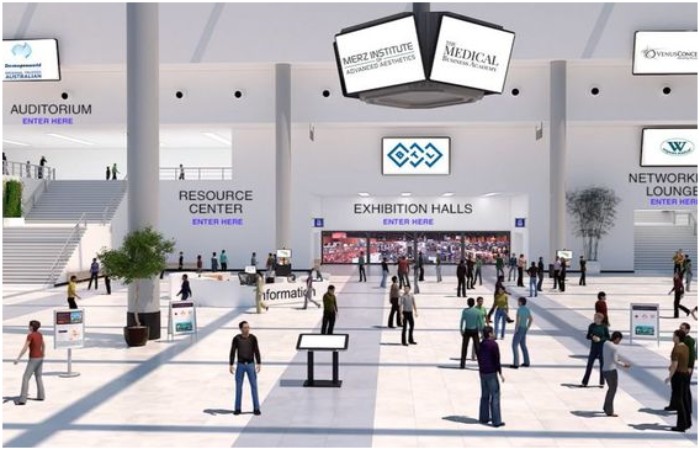
Technology has made international trade more accessible and efficient by enabling:
-
secure online transactions
-
real-time logistics tracking
-
virtual trade platforms and ecommerce marketplaces
During global disruptions like the pandemic, digital tools ensured that trade and business could continue by moving events and interactions online.
In the pandemic period, most trade activities were interrupted, but technology saved the day. Events such as trade shows displays, Las Vegas had to be modified into virtual and hybrid events. Virtual expos facilitated the continuation of business even when the world was in lockdown. Additionally, managing money is more safe compared to previous years.
Education

Education is more accessible than ever thanks to online learning platforms, digital libraries, and interactive tools. Students and teachers can now access information quickly, collaborate across borders, and engage with adaptive learning methods that support personalized instruction — especially for remote or underserved learners.
Research shows that education itself is strongly linked with longer life expectancy. A large global analysis found that each additional year of schooling is associated with about a 2% reduction in the risk of death, meaning that completing primary education is associated with a 13% lower risk of dying, finishing secondary school with about a 25% lower risk, and approximately 18 years of education with about a 34% lower risk compared with no formal schooling.
This pattern holds across diverse countries, age groups, and demographic backgrounds, indicating that education contributes to better health behaviors, improved access to resources, and healthier lifestyles that support longevity.
Agriculture
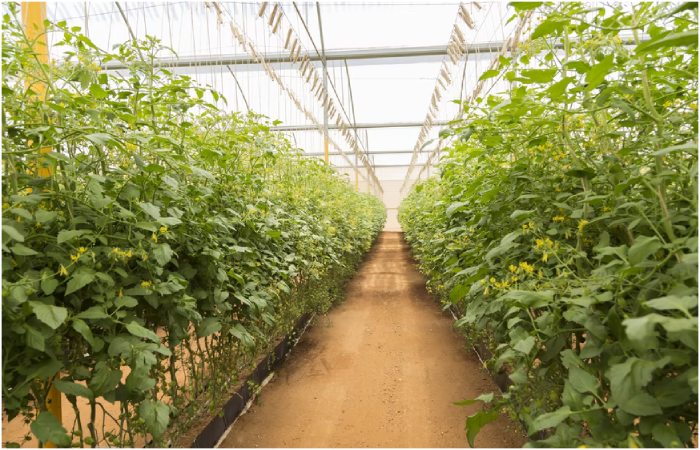
IoT and Smart Agriculture Technologies
Modern agriculture increasingly relies on IoT (Internet of Things), AI (Artificial Intelligence), and digital decision-making tools to improve productivity, sustainability, and resilience.
These technologies help farmers monitor soil and crop conditions in real time, use predictive analytics for fertilization, irrigation, and pest control, and make data-driven decisions that maximize yields and minimize waste. By integrating sensors, cloud computing, and analytics, smart agriculture systems enhance resource management and reduce environmental impact. ScienceDirect
In India, cutting-edge innovations highlight how these technologies are being used in practice. Researchers at the Indian Institute of Information Technology (IIIT) Allahabad have developed an AI-powered system (CVGG-16) that combines AI, IoT, deep learning, and sensor data to detect crop diseases directly in the field.
This system proved highly effective, achieving around 97.25 % accuracy in identifying disease symptoms in crops such as maize and potatoes, enabling early intervention and reducing crop loss. The Times of India
These innovations show how AI and IoT are being applied on the ground to support farmers, boost yields, and improve agricultural resilience, especially in regions with diverse climates and farming conditions. By enabling real-time monitoring and advanced analytics, smart agriculture technologies are helping meet global food demands and making farming more sustainable.
Conclusion
Technology has made life more bearable by improving health, expanding educational access, strengthening global food systems, enhancing safety, and facilitating economic activity. Measurable progress in life expectancy, reduced mortality, agricultural productivity, and digital connectivity demonstrates the strong and positive influence of technological innovation.
At the same time, challenges remain — including unequal access (digital divide), environmental concerns, and ethical issues around automation and privacy. Addressing these will be crucial to ensuring that technology benefits all people equitably.
Frequently Asked Questions (FAQs)
1. How does technology improve health outcomes?
Digital tools such as mobile networks, telehealth, and ICT services associated with higher life expectancy and lower infant mortality by expanding access to health services and information.
2. Did the Green Revolution really reduce hunger?
Yes — the Green Revolution significantly increased crop yields and helped improve food security and reduce mortality, particularly in developing regions.
3. How does IoT help agriculture?
IoT technologies improve decision-making on farms by collecting real-time data on crop conditions, leading to higher yields, reduced waste, and more sustainable practices.
4. Does technology help reduce poverty?
Long-term technological advancements have contributed to economic development and reductions in global poverty through improved productivity in healthcare, agriculture, education, and infrastructure.