
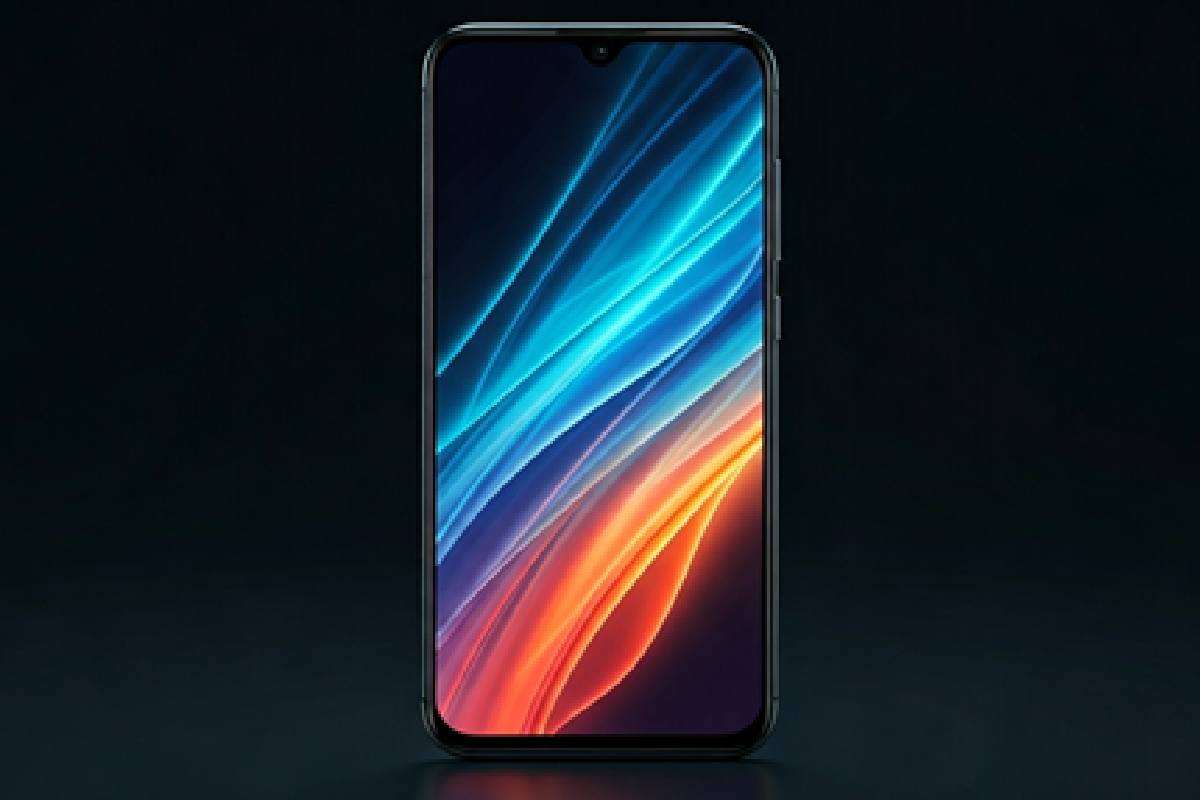
oppo f27 pro plus — that’s probably the exact phrase you typed because you’re wondering one simple thing: is this phone actually tough in real life, or is it just marketing noise?
I get that doubt. I had the same reaction when OPPO started calling this India’s first “Super-Rugged, Monsoon-Ready smartphone.” Big words. Big claims. And usually, big disappointment.
So let’s slow down, strip away the hype, and talk about this phone the way normal people do — not like a brochure, not like a benchmark war, but like a real buying decision.
Table of Contents
Why people are even considering the OPPO F27 Pro Plus
Most buyers looking at the OPPO F27 Pro Plus 5G aren’t chasing raw speed.
They’re worried about things like:
-
“My phone slips from my hand a lot.”
-
“Rain ruins touch response every monsoon.”
-
“One bad drop and the display is gone.”
-
“Water damage = instant service center drama.”
If any of this sounds familiar, you’re already the target audience.
This phone isn’t trying to be the fastest mid-range device. It’s trying to be the one that survives daily life in India.
The durability trifecta: IP69, IP68, and IP66 (what it really means)
Let’s be honest.
Most people hear IP rating and stop listening after “water resistant.”
But here’s why the OPPO F27 Pro Plus stands out.
What makes this phone different
This is the first smartphone in India to carry:
-
IP66
-
IP68
-
IP69
All three. Not one. Not two.
Simple breakdown (no tech headache)
-
IP66 → Protected from powerful water jets (think heavy rain, splashes)
-
IP68 → Can survive being submerged in water
-
IP69 → Resistant to high-pressure, high-temperature water jets (up to 80°C)
That last one is important.
IP69 didn’t come from smartphones.
It comes from industrial equipment — machines that get pressure-washed.
So this isn’t just about dropping your phone in a bucket.
It’s about unexpected, harsh conditions — strong water force, prolonged exposure, messy real-world use. For Indian weather? That matters. Devices with an IP69 rating are tested to withstand close-range, high-pressure water jets and are built for harsh environments.
For Indian weather? That matters.
Military-grade toughness: not just a label this time
A lot of phones casually throw around the term “military-grade.”
Most don’t explain what that even means.
OPPO actually does.
What’s inside the OPPO F27 Pro Plus
This phone uses a 360° Armour Body, and that’s not just branding.
Inside, you get:
-
A high-strength AM03 aluminum alloy frame
-
Reinforced motherboard protection
-
Bionic sponge cushioning around key components
Why does this matter?
Because most phones don’t fail immediately after a drop.
They fail weeks later — due to micro-fractures in internal joints.
This internal cushioning absorbs shock before damage spreads.
Certifications that back it up
-
MIL-STD-810H (Method 516.8) shock resistance
-
Swiss SGS Premium Performance 5-Star Drop Resistance
These tests include: transit drops, functional shock, crash hazard shock, transportation stress. In simple terms: this phone is built to reduce long-term damage, not just survive one lucky fall, similar in spirit to how MIL-STD-810 shock testing evaluates devices for drops, crashes, and handling impacts.
These tests include:
-
Transit drops
-
Functional shock
-
Crash hazard shock
-
Transportation stress
In simple terms: this phone is built to reduce long-term damage, not just survive one lucky fall.
The screen: curved, premium, and not fragile for once
Curved displays usually make people nervous. Rightfully so.
OPPO did something smart here.
Display basics
-
6.7-inch 3D Curved AMOLED
-
Protected by Corning Gorilla Glass Victus 2
Why Victus 2 actually matters
Victus 2 isn’t marketing fluff: 80% better drop resistance, 3× better scratch resistance than older glass. That means slips from pockets are less scary and daily scratches take longer to show up. Corning states that Gorilla Glass Victus 2 can survive drops up to 1 meter on rough surfaces like concrete while maintaining strong scratch resistance.
That means:
-
Slips from pockets are less scary
-
Daily scratches take longer to show up
And yes, it still looks premium.
This doesn’t feel like a “rugged brick phone.”
Splash Touch: small feature, huge daily impact
This is one of those features you don’t care about… until you really do.
What Splash Touch does
-
Keeps the screen responsive even when:
-
It’s raining
-
Your hands are wet
-
Water droplets are on the display
-
It uses a software algorithm to tell the difference between:
-
Your finger
-
Random water movement
If you’ve ever tried unlocking your phone in rain and failed repeatedly, you’ll appreciate this more than any benchmark score.
Performance reality check: Dimensity 7050, no sugarcoating
Let’s address the elephant in the room.
Yes, the MediaTek Dimensity 7050 is not the fastest chip in this price range.
And OPPO knows that.
So why choose it?
Because OPPO clearly spent money elsewhere:
-
IP69 sealing
-
Internal reinforcement
-
Gorilla Glass Victus 2
-
Shock absorption materials
Those things don’t show up in benchmark apps, but they age better than raw numbers.
Real-world performance
-
Smooth daily use
-
Stable multitasking
-
No heating drama for normal users
This phone is not for:
-
Hardcore gamers
-
Benchmark chasers
It is for:
-
Long-term users
-
People tired of fragile phones
-
Anyone who values reliability over bragging rights
50-Month Fluency Protection: why this promise matters
OPPO claims 50-Month Fluency Protection.
In normal words:
OPPO guarantees that the system will stay smooth for over four years.
That’s rare in the mid-range segment.
It’s backed by:
-
Optimized ColorOS memory management
-
UFS 3.1 storage
-
8GB LPDDR4X RAM (with virtual expansion)
If you keep phones for 3–4 years, this matters more than peak speed today.
Battery and charging: fast, safe, and practical
No experiments here — just solid execution.
What you get
-
5000 mAh battery
-
67W SUPERVOOC fast charging
Real usage numbers:
-
~56% in 20 minutes
-
100% in around 44 minutes
That’s fast enough to:
-
Charge during breakfast
-
Top up before stepping out
-
Avoid overnight charging anxiety
Cameras: honest expectations
Let’s keep this real.
Camera setup
-
64MP primary camera
-
2MP depth sensor
-
8MP front camera
No ultra-wide.
No telephoto.
What you get instead:
-
Reliable main camera
-
Decent portraits
-
Good daylight consistency
This isn’t a camera-centric phone.
And OPPO isn’t pretending it is.
GenAI features: useful, not gimmicky
With updates, OPPO is adding AI features like AI Eraser 2.0, AI Smart Image Matting 2.0, and AI Studio, which keep the phone feeling fresh even a couple of years down the line. If you’re curious how AI is reshaping other parts of tech, it’s the same broader shift happening in areas like autonomous vehicles, where smarter software is becoming just as important as the hardware itself.
-
AI Eraser 2.0 – remove unwanted objects
-
AI Smart Image Matting 2.0 – create cutouts/stickers
-
AI Studio features
These aren’t life-changing, but they’re practical and fun — especially for social media users.
Who should buy the OPPO F27 Pro Plus (and who shouldn’t)
This phone makes sense if:
-
You want a phone that lasts years
-
You live in a rainy or dusty environment
-
You’re clumsy (no judgment)
-
You value durability over raw speed
Skip it if:
-
You want top-tier gaming performance
-
Camera versatility is your priority
-
You upgrade phones every year anyway
Final thoughts (no hype, just reality)
The OPPO F27 Pro Plus 5G is not trying to win spec wars.
It’s trying to solve problems most phones ignore — drops, water, wear, and time.
If you’re tired of fragile phones that crack or glitch after one bad drop, the OPPO F27 Pro Plus is built for real-world chaos, not just lab tests. For many users, that everyday toughness matters more than chasing benchmark scores, especially if you already rely on gadgets for entertainment and work the way you do with your smart home devices.
And if you’ve been searching all along for a phone that doesn’t panic when life gets messy, the oppo f27 pro plus might actually be built for you.
Key FAQs
1. Is the OPPO F27 Pro Plus 5G really waterproof?
Yes. It is certified with IP66, IP68, and IP69 ratings, meaning it can handle heavy rain, water immersion, and high-pressure, high-temperature water jets.
2. What makes IP69 different from IP68 on the OPPO F27 Pro Plus?
IP69 adds protection against high-pressure, hot water jets (up to 80°C), a standard typically used for industrial equipment, going beyond basic submersion protection.
3. Does the OPPO F27 Pro Plus 5G pass military durability tests?
Yes. It has passed MIL-STD-810H Method 516.8 shock tests, covering drops, transit impact, and vibration resistance.
4. Is the OPPO F27 Pro Plus good for long-term use?
OPPO claims 50-Month Fluency Protection, indicating the phone is optimized to remain smooth and stable for over four years under normal usage.
5. How does the OPPO F27 Pro Plus handle touch in rain or wet conditions?
It features Splash Touch technology, which keeps the display responsive even with wet hands or water droplets on the screen.
6. Does the OPPO F27 Pro Plus focus more on durability than performance?
Yes. OPPO prioritizes durability features like IP69 sealing, reinforced internals, and Gorilla Glass Victus 2 over using a higher-end processor.
Disclosure: Parts of this review were assisted by AI tools and then fact-checked and edited by a human reviewer to ensure accuracy and clarity.
About the Author:
Abdul Rahman is a tech blogger and content writer with over four years of experience reviewing smartphones, gadgets, and gaming gear. He focuses on turning complex specs and features into clear, practical insights so readers can choose devices that actually fit their daily lives.
Abdul Rahman is a tech blogger and content writer with over four years of experience reviewing smartphones, gadgets, and gaming gear. He focuses on turning complex specs and features into clear, practical insights so readers can choose devices that actually fit their daily lives.