
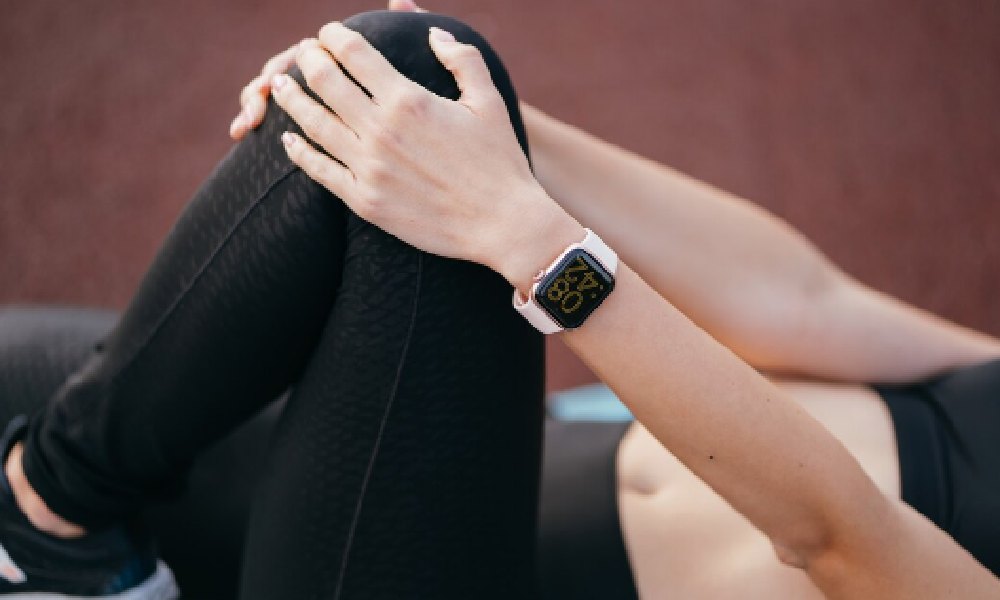
If you are eyeing the Apple Watch SE 2nd generation but are not sure it is worth the money, you are not alone. Many buyers wonder whether they should stretch for a Series 9 or Ultra, or save cash with the SE 2 without losing important health and fitness features.
Table of Contents
What buyers actually want to know
-
Is the Apple Watch SE 2 fast and reliable enough for daily use?
-
What health and fitness features do you get and what do you miss vs premium models?
-
How good is the battery life in real life, not just on paper?
-
Is it still a smart buy in 2025, especially if you are upgrading from an older Apple Watch or coming from Fitbit/Garmin?
This guide answers those questions in plain language, so you can decide confidently.
Design and comfort
The Apple Watch SE 2 keeps the familiar rounded‑rectangle look with 40 mm and 44 mm case options and light aluminium build, which makes it comfortable for all‑day wear and sleep tracking.
You get colour options like Midnight, Starlight, and Silver, with the usual quick‑swap bands so you can go from workout strap to formal loop in seconds.
Apple gives the full breakdown of case sizes, water resistance, and built‑in sensors on its official Apple Watch SE (2nd generation) tech specs page, so you can quickly confirm any detail before buying.
Display and everyday performance
The SE 2 uses a bright Retina OLED display that is easy to read indoors and outdoors, though it lacks the always‑on mode from higher‑end models.
Inside, The S8 chip (same processor as Series 8) ensures lag‑free navigation, sub‑2 second app launch times, and guaranteed watchOS updates through at least 2027, and watchOS updates supported for several years, so the watch does not feel “budget” in daily use.
If you want a more technical, lab‑style breakdown of performance and battery tests, this Apple Watch SE 2 review from a leading global tech site is a useful companion to what you are reading here.
The SE 2 supports the latest watchOS 11 and will receive updates for at least 5 years (through 2029), matching the software longevity of premium models.
Health and fitness tracking
You get core Apple Watch health tools: continuous heart rate tracking, high and low heart‑rate alerts, irregular rhythm notifications, fall detection, and the newer Crash Detection uses a dual‑core accelerometer and gyroscope that can sense sudden impacts and automatically alert emergency contacts—a feature that previously cost ₹38,000+ extra on older models..
For fitness, the built‑in GPS delivers ±10 metre accuracy for running and cycling routes, while water resistance up to 50 metres supports lap counting in pools with GPS, heart‑rate graphs, and Activity rings that make daily movement feel like a simple game to close.
For another opinion that focuses on Indian pricing and everyday use, an in‑depth Apple Watch SE 2 review from a major Indian technology publication is a helpful companion read to this guide.
What you do not get
Apple cuts a few sensors to keep the price down. The SE 2 skips three premium sensors: ECG (electrocardiogram for heart rhythm detection), blood oxygen (SpO2), and body temperature—features found on Series 9 and Ultra that cost ₹15,000–₹20,000 more. for cycle or wellness insights.If advanced health metrics are a priority, the Series 9 or Ultra line is a better fit, but for most casual users those missing extras are not deal‑breakers.
Battery life and charging
Apple rates the SE 2 for around one day of use, but Light to moderate users typically achieve 18–24 hours, though heavy workouts with continuous GPS can reduce this to 12–16 hours.
There is also a low‑power mode that turns down a few features to comfortably survive overnight or a long travel day, though heavy GPS workouts will still require daily charging.
Apple Watch SE 2 vs other models
| Model | Key strengths | Main trade‑offs | Price in India (approx.) | Best for |
|---|---|---|---|---|
| Apple Watch SE 2nd gen | Affordable, fast S8 chip, strong fitness tracking, Crash Detection. | No always‑on display, no ECG or SpO2, basic materials. | ₹24,900–₹28,900 | First‑time buyers, teens, budget‑conscious users. |
| Apple Watch Series 9 | Always‑on screen, full health sensors, more premium finishes. | Higher price, similar core experience for casual users. | ₹41,900–₹49,900 | Users who want complete health tracking and nicer display. |
| Older Apple Watch SE (1st gen) | Lower used prices, similar design. | Slower chip, fewer safety features, shorter software support window. | ₹15,000–₹18,000 (used) | Very tight budgets or secondary device. |
College students get fitness tracking for HIIT and morning runs, plus silent notifications during lectures—all for ₹25,000 vs ₹42,000 for Series 9.
- Casual runners doing 5–10 km a few times a week will find the GPS and heart‑rate tracking accurate enough to monitor pace and progress without needing a specialised sports watch. The battery easily lasts one full training day even with mixed workouts.
- iPhone‑only households benefit from deep integration with iCloud, Apple Health, and HomeKit (via iPhone) which requires no additional gadgets or subscriptions.
Choose the SE 2 if you want the Apple Watch experience—smooth performance, great fitness tracking, and deep iPhone integration—at the lowest sensible price. Skip it and go for a Series 9 or Ultra only if you specifically care about ECG, blood oxygen, temperature tracking, or a premium display and materials.
If you like using technology to stay productive across devices, our guide to Chrome Remote Desktop explains an easy way to access your computer from anywhere, which pairs well with the notifications and reminders you get on the Apple Watch SE 2.
Software support and longevity
The SE 2 supports the latest watchOS 11 and will receive updates for at least 5 years (through 2029), matching the software longevity of premium models. This means your investment won’t feel outdated soon, and you will get new features and security patches for years.
Quick verdict
For most people, especially students, casual runners, and iPhone users upgrading from Series 3 or earlier, the Apple Watch SE 2nd generation hits the sweet spot between value and performance.
If you already use other Apple devices at home, our tips and tricks to master Apple TV show how nicely the Apple Watch, iPhone, and Apple TV can work together for entertainment and control.
As long as you are comfortable charging it daily and can live without the highest‑end health sensors, it remains one of the most sensible Apple wearables to buy in 2025.