
Have you ever wondered:
Why do emergencies not go fast as we hope they will? Sometimes emergencies do not get solved quickly as we want them to. The thing is, emergencies are called emergencies for a reason they are situations that require a lot of time and effort to resolve. So emergencies, like these do not go fast as we hope they will.
So how do first responders get the information instantly? They need to know what is going on away. First responders have to get the info instantly so they can do their job. This is very important, for responders. First responders get the information instantly because it helps them a lot.
Why tablets and EMS dispatch software even matter?
Let us explore this like we are sitting over coffee. I want to have a conversation without using any complicated technology terms.
Firefighters and Emergency Medical Technicians are the heroes in every community. They go into danger to help people. They have to make important decisions very quickly when things are very stressful. Sometimes it is not about being on time it is, about saving lives. Firefighters and Emergency Medical Technicians deserve to have tools that help them do their job better stay safe and go home to their families every day.
One set of tech that’s changing the game is EMS dispatch software paired with portable tablets. These tools don’t just look cool — they reduce response times, improve coordination, and give crews critical situational awareness. Let’s break it down.
Table of Contents
How tablets are saving lives.
Old-school dispatching looked like a phone, a radio, and a bunch of paper notes. Dispatchers manually recorded calls, scribbled locations, and hoped messages got through fast enough.
Today’s systems are nothing like that.
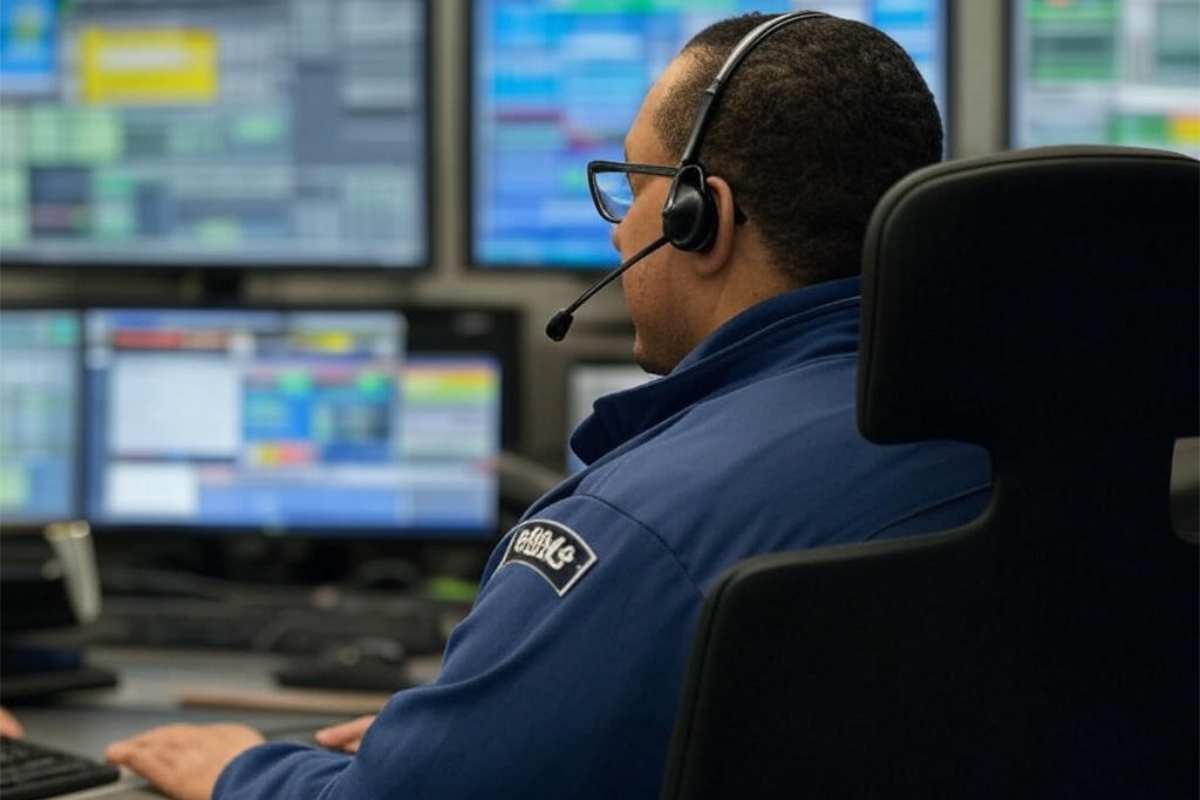
EMS dispatch software — often part of a Computer-Aided Dispatch (CAD) system — does this for a living:
✔️ Receives incoming emergency calls
✔️ Shows exact caller location (GPS + NG911 improves accuracy)
✔️ Matches the nearest unit automatically
✔️ Passes real-time updates to crews out in the field
✔️ Keeps track of every unit’s status in a single dashboard
This means fewer delays, fewer mix-ups, and clearer info before crews ever hit the street.
Why Tablets Are Not Just Fancy Screens
EMTs and firefighters using tablets aren’t playing catch-up to regular office users — they’re retooling how every call is handled.
Here’s what tablets bring to the (fire)house:
✔ Real-Time Updates on the Go
Instead of waiting for radio chatter, crews see critical details instantly — from caller info to hazard advisories — right on a rugged, mobile screen.
✔ Location + Navigation Built-In
With GPS tracking integrated into dispatch software, crews can route themselves faster and avoid traffic snarls or dead ends — minutes matter in emergencies. Gina Software
✔ Instant Access to Patient History
When integrated with electronic patient care systems (ePCR), tablets can pull up previous medical notes or allergies before responders arrive. The Insight Partners
✔ Live Communication
Modern solutions let crews communicate back to dispatch with updates that don’t interrupt radio channels — reducing noise and keeping the channel clear for priority comms. ZOLL Data Systems
If you watched a crew during a high-stress situation, you’d see these little devices doing heavy lifting — not “just displaying text”, but actively helping decisions on the move.
Real Life Example (Think About This)
Picture a cardiac arrest call:
Dispatch gets the call. Software instantly pins the exact GPS location. It pushes that info to tablets inside an ambulance and a fire engine. The tablet shows any known risk factors from medical databases before they arrive — maybe the person had a previous incident.
Instead of wasting time asking basic stuff over the radio, crews arrive prepared — treatment starts immediately. That’s not sci-fi, that’s happening right now.
Better Info Means Better Preparation
One of the biggest shifts with modern EMS tech is accuracy before arrival.
-
Paper records? They’re slow and error-prone.
-
Tablets with dispatch integration? Quick access to details you’d otherwise chase down.
With the right data before responders arrive:
-
You can request extra backup earlier.
-
You can alert hospitals in advance.
-
You can reduce surprises & keep crews safer.
This is why real-time dispatch and mobile access are no longer “nice-to-have” — they’re rapidly becoming must-haves.
Communication Upgrades: Beyond the Radio
Old radios were revolutionary in their time. But in complex emergencies, you need:
👉 crew location visibility
👉 automatic status updates
👉 direct dispatch data flow
👉 and less voice clutter
Modern EMS software does that by:
-
Automatically sending position updates
-
Sharing exact scene info on tablets
-
Reducing unnecessary radio chatter
That means everyone stays more informed without making more noise.
Saving Time at Every Call
Let’s be real — EMTs and firefighters hate paperwork. It slows everything down.
With tablets + EMS dispatch software:
-
Info comes in already digitized
-
No handwritten scribbles to decode
-
Quick incident logging becomes easier
That saves minutes — sometimes critical ones — and keeps crews focused on what matters: the patient.
Cleaner Records, Better Continuity of Care
When crews record details digitally:
✔ It’s easier to share with hospitals in seconds
✔ Data accuracy skyrockets
✔ Records feed directly into analytics and reporting
✔ Agencies get better insights for improvement
Over time, this data becomes a strategic asset, not just a pile of forms.
Conclusion: Why This Tech Matters in Real Terms
Let’s cut to the chase — tablets + EMS dispatch software aren’t cool gadgets; they save lives. They speed up how information flows, reduce errors, and help responders make better decisions fast.
In emergencies, clarity and speed matter more than any other factor. And modern dispatch solutions — especially when paired with mobile devices — bring clarity into chaotic situations.
This isn’t about replacing people. It’s about supporting them with the tools they deserve.
Key FAQs
Q: What exactly is EMS dispatch software?
EMS dispatch software is a modern system (often part of a Computer-Aided Dispatch or CAD platform) that manages incoming emergency calls, routes the closest units, and shares real-time data with crews — all to speed up response and save lives.
Q: Why tablets and not just radios?
Tablets give visual data — maps, patient info, dispatch notes, and GPS guidance — all in one place. Radios are great for voice but don’t give context instantly.
Q: Do these systems track responders?
Yes — dispatch software commonly uses GPS to track units in real time, which helps dispatchers pick the fastest responders and coordinate backups.
Q: Does this tech replace human judgment?
Not at all. It supports responders with better data, faster paths, and clearer communication — but humans still make the calls on the ground.
Q: Is this software used worldwide?
Yes. EMS and dispatch systems are expanding globally as digital dispatch, NG911 location tech, and mobile integrations spread across emergency services.