
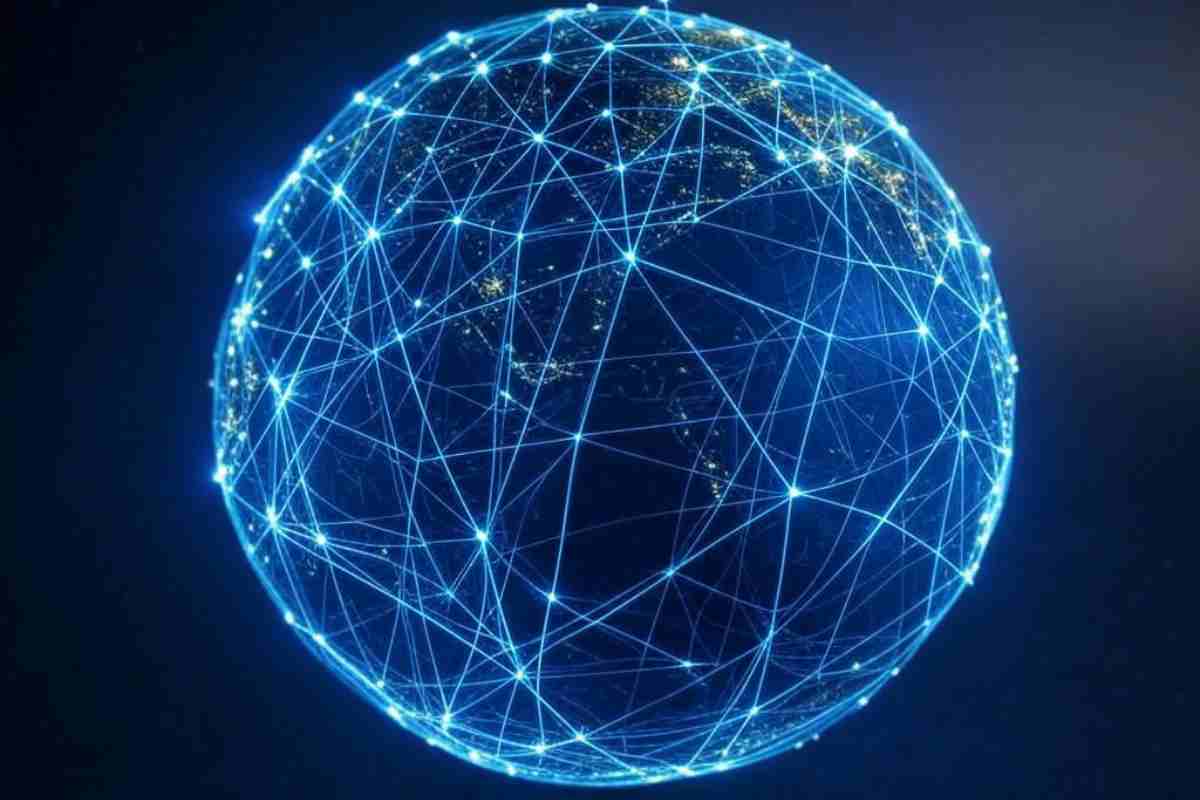
The internet was initially created to establish a greater communication path and a space where people could learn free of restrictions. However, with passing time, different countries have put some restrictions on the use of the internet.
While a part of the world is protesting against restricting some free content, some are actually supporting all those restrictions. That is why we are developing new ways to access all the restricted content from the internet.
The Digital Iron Curtain 5G, AI, & Internet Censorship.
This document explores the history, current state, and future implications of internet censorship, focusing on the potential impact of 5G and AI technologies on digital freedom.
Table of Contents
I. Hook: The Unseen Hand in Your Digital World
Internet censorship refers to the deliberate control of information seen, shared, or published online, as explained in the detailed internet censorship overview.
It is presented not as a minor inconvenience but as a significant threat to fundamental freedoms, including free speech and access to knowledge, with high stakes for the trajectory of digital lives.
II. Before the Algorithms: A Brief History of Digital Control
The impulse to control information is ancient. Early legislative attempts in the US during the 1990s, such as the Communications Decency Act (CDA) and the Digital Millennium Copyright Act (DMCA), foreshadowed future debates on online content regulation. The Electronic Frontier Foundation (EFF) is highlighted as a key organization challenging laws that threaten online free expression.
Early U.S. laws like the Communications Decency Act shaped ongoing debates on regulating online speech, with key insights detailed in the Section 230 overview by EFF.
In the early 2000s, countries like China pioneered comprehensive national internet censorship systems, exemplified by the “Great Firewall,” which served as a model for state control over information. This led to a “cat-and-mouse game” where simple blocking methods were countered by users, prompting the development of more sophisticated techniques like Deep Packet Inspection (DPI). The Arab Spring demonstrated the evolving methods of control and circumvention in the digital realm.
III. The Great Debate: To Censor or Not to Censor?
The debate surrounding internet censorship is complex and nuanced.
Arguments for Control:
- Protection of the Vulnerable: Governments and corporations claim to shield children from harmful content, prevent the spread of graphic violence, and combat illegal activities like child pornography and drug trafficking.
- National Security and Stability: Justifications include curbing extremism, fighting misinformation that incites unrest, and safeguarding sensitive information. However, the line between legitimate security concerns and suppression of dissent is noted as often blurred.
- Combating Disinformation: Some view censorship as a necessary tool to counter the spread of fake news.
Arguments Against Control:
- Assault on Free Speech: Censorship is seen as a direct attack on the universal human right to free speech and expression, stifling dissent and undermining free societies.
- Knowledge Gaps and Hindered Growth: Restricting information access creates knowledge gaps, distorts truth, and hinders intellectual growth and social justice pursuits.
- Political Bias and Lack of Transparency: Concerns exist about governments suppressing opposition and a general lack of transparency regarding censorship decisions.
- Economic Impact: Internet shutdowns can cost nations billions in lost productivity and innovation, crippling economies.
IV. Red Flags & Red Lines: Global Controversies and Ethical Quandaries
Internet freedom worldwide is uneven, with many facing severe restrictions. The annual Freedom on the Net report by Freedom House tracks these trends and the resilience of users fighting censorship.
Ethical Considerations:
- Defining “Harmful”: The subjective and often politicized nature of defining “harmful” content is a significant issue.
- Black Box Moderation: The lack of clear guidelines, accountability, and transparency from both state and private platforms in content moderation raises fairness concerns.
- Impact of Internet Shutdowns: Devastating effects on essential services, education, and human rights during political unrest or elections are highlighted.
Legal Challenges:
- Jurisdictional Conflicts: The global nature of the internet clashes with territorial national laws.
- Platform Liability: The unresolved debate over the responsibility of social media companies and ISPs for user-generated content creates ambiguity.
Global Trends:
Even in democracies, increased control is observed. Examples include Norway blocking gambling sites, Poland’s criticism regarding protest coverage, Germany’s scrutiny of online criticism of politicians, and the UK’s Online Safety Act and the EU’s Digital Services Act grappling with content regulation without stifling free expression.
V. The Future is Now: 5G, AI, and the Unseen Hand’s Grip
The convergence of 5G and AI is poised to revolutionize internet censorship, making it more pervasive, precise, and difficult to escape.
AI as the Brain:
AI enables automated content moderation at unprecedented speeds, scanning and removing vast amounts of digital content based on keywords, images, and sentiment. Concerns exist about algorithmic bias and the suppression of legitimate speech, with some countries mandating AI for content removal.
Predictive Censorship and Surveillance: Advanced AI can identify patterns of “subversive speech” and preemptively block discussions. China’s sophisticated surveillance apparatus is cited as an example. AI also poses risks in generating disinformation and perpetuating algorithmic bias against marginalized voices.
5G as the Superhighway:
- Edge Computing: Enables real-time, localized content filtering and surveillance.
- Network Slicing: Allows for differential censorship or surveillance levels for specific traffic or user groups.
- Enhanced Deep Packet Inspection (DPI): Facilitates granular monitoring of data packets, including encrypted traffic, due to 5G’s speed and capacity.
The U.S. Cybersecurity and Infrastructure Security Agency (CISA) has raised concerns about the security risks and potential exploitation of 5G infrastructure, particularly from untrusted vendors, for increased surveillance and censorship. Concerns about “backdoors” in equipment from vendors like Huawei and ZTE, and the potential for “internet kill switches,” persist. The combination of AI’s analytical power and 5G’s infrastructure creates an ecosystem where digital repression is easier, faster, cheaper, and more subtle.
VI. The Digital Resistance: Fighting for an Open Internet
The struggle for an open internet is an ongoing “cat and mouse game” between censors and developers of circumvention tools.
Circumvention Tools:
- VPNs and Proxy Servers: Mask IP addresses and bypass geographic restrictions.
- Tor Network: Offers robust anonymizing solutions.
- Decentralized Networks: Blockchain-based protocols promise inherent censorship resistance.
Freedom House Reports:
Consistently track the decline of global internet freedom and emphasize the role of circumvention tools in maintaining digital rights in censored environments. Continuous innovation is crucial for staying ahead of control methods.
VII. Your Role in the Digital Future: Stay Aware, Stay Free
Internet censorship is a global challenge impacting democracies. Understanding its methods, motivations, and future is crucial.
Individual Actions:
- Support initiatives promoting an open internet.
- Choose privacy-respecting technologies.
- Advocate for digital rights.
Awareness and vigilance are presented as the primary lines of defense against the descending “digital iron curtain.” The fight for a free and open internet is ongoing, and every voice and action is deemed important.