
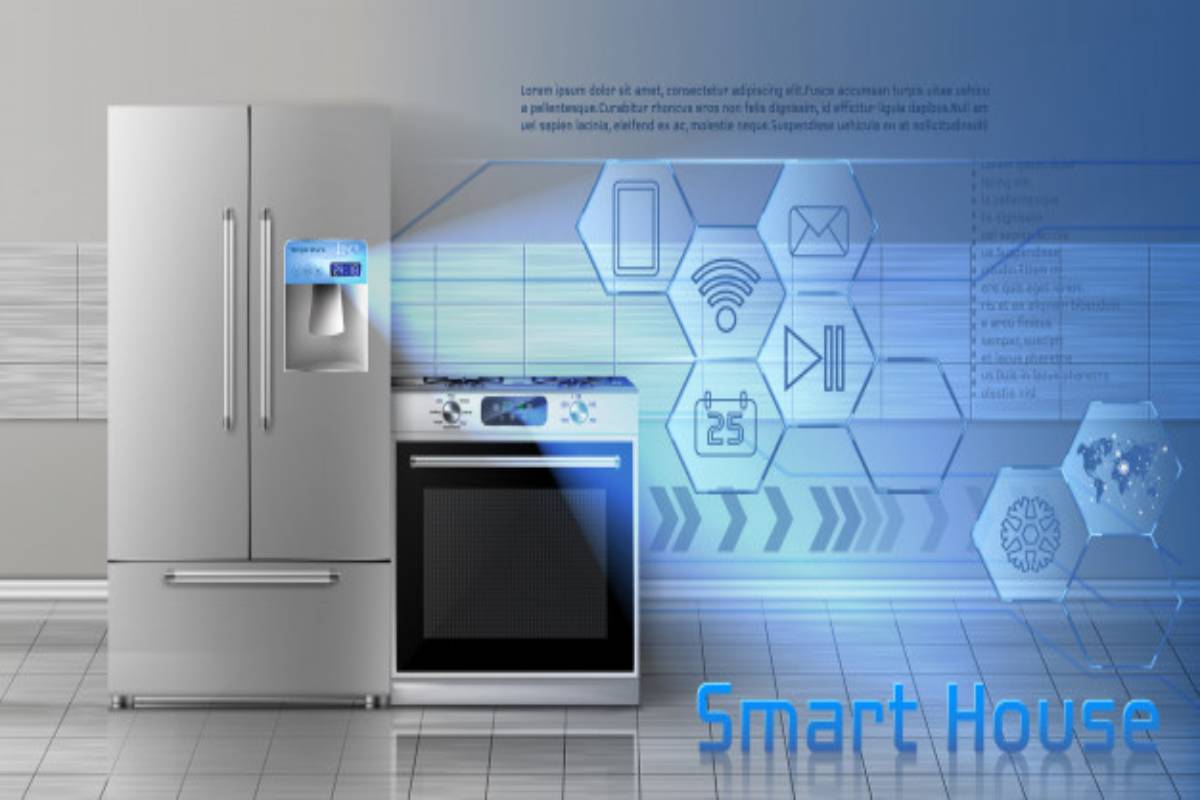
What is the point of a smart home if I’m constantly fighting with three different apps just to turn off the kitchen lights?” I hear this all the time from my friends. They want the convenience of a smart home, but they’re terrified of the complexity, the cost, and—most importantly—the privacy risks.
In 2025, the conversation has shifted. We aren’t just talking about “cool gadgets” anymore; we’re talking about Matter, NPU-driven local AI, and energy independence. If you’re feeling overwhelmed by the tech jargon, don’t worry. I’ve broken down the state of the smart home in plain English so you can build a setup that actually serves you.
Table of Contents
Why the Smart Home Matters in 2025
The global smart home market is projected to hit $135 billion by the end of 2025, according to industry data from Promwad. But it’s not just about market size; it’s about utility. Today’s homes are using automation to solve two major problems: skyrocketing energy bills and rising home security concerns.
Direct Answer: What defines a Smart Home in 2025?
A smart home is a residence equipped with a network of internet-connected devices that use AI-driven automation and universal protocols (like Matter) to manage security, energy, and comfort with minimal human intervention. Unlike the fragmented systems of the past, 2025’s smart homes prioritize interoperability, allowing devices from different brands to “talk” to each other locally without relying on the cloud.
The “Matter” Standard: The End of Ecosystem Lock-in
For years, you had to choose between being an “Apple House” or a “Google House.” In 2025, that wall has crumbled. The Matter 1.5 standard, released in late 2025, now supports everything from security cameras to soil sensors, according to updates from the Connectivity Standards Alliance (CSA). This means your Samsung fridge can finally trigger your Apple HomePod alerts without a headache.
AI and Edge Computing: Privacy Stays Local
One of the biggest shifts is the move away from the cloud. Modern smart hubs now feature Local AI processing. This means your facial recognition doorbells or voice assistants process your data inside your four walls, not on a server in another country. This “Edge Computing” approach significantly reduces latency and satisfies the strict privacy guidelines suggested by the NIST Cybersecurity Framework.
Phase 1: Planning Your 2025 Smart Home
Before you run out and buy the latest “AI-powered” toaster, you need a plan. Most people fail because they buy devices haphazardly.
-
Audit Your Wi-Fi: Most smart home failures are actually network failures. In 2025, Wi-Fi 7 and Thread are the preferred networks for low-latency device communication.
-
Identify Your “Hero” Need: Are you trying to save money on electricity? Or are you focused on keeping the kids safe? Start with one category (e.g., Energy Management or Security) before expanding.
-
Check for the “Cyber Trust Mark”: Look for products bearing the U.S. Cyber Trust Mark, which certifies that the device meets rigorous national security standards.
The Real Cost: Energy Efficiency Gains
With energy costs being a chief concern for 35% of homeowners, automation is becoming a financial strategy.
-
Smart Thermostats: These aren’t just programmable anymore. They use occupancy sensors to learn when you’re actually home.
-
Dynamic Load Balancing: Systems can now automatically delay your dishwasher or EV charger until utility rates are at their lowest.
-
Water Monitoring: Real-time leak detection can save thousands in insurance claims by shutting off the main valve the second a pipe bursts.
Keeping it Real: Privacy and Worries
Let’s be honest—nobody wants a “spy” in their living room. A 2025 survey by LightNOW found that while 32% of people use AI features, nearly 44% remain deeply concerned about privacy.
To protect your peace of mind, I recommend the NIST “Segmented Network” approach. Put your smart bulbs and cameras on a Guest Wi-Fi network. If a $20 smart plug gets hacked, the intruder still can’t get to your laptop where you keep your tax returns. It’s a simple coffee-shop-level trick that makes your home a fortress.
Soften and update precise market size figures instead of presenting them as exact or final numbers.
Avoid describing Wi‑Fi 7 as the universal or only “preferred” standard; acknowledge that Wi‑Fi 5/6/6E and Thread remain widely used.
Refer to NIST and the U.S. Cyber Trust Mark as indicating alignment with baseline security standards and best practices, not as absolute guarantees of security.
Conclusion
The smart home of 2025 has moved past the “gimmick” phase. It is now a sophisticated tool for energy conservation, proactive security, and accessibility. By focusing on interoperable standards like Matter and prioritizing local data processing, you can enjoy the benefits of a connected life without sacrificing your privacy or your sanity.
Key FAQ’s for the Smart Home
Q: Do I need a central hub to start a smart home?
A: In 2025, many devices function as “Thread Border Routers” (like an Eero router or a HomePod), meaning you might already own a hub without realizing it. However, a dedicated Matter-certified controller is recommended for the best experience.
Q: Will smart home devices work if my internet goes out?
A: If your devices use Matter or Zigbee and support local control, basic functions (like turning on lights or unlocking doors) will still work. Cloud-dependent features, like remote viewing of cameras, will require an active connection.
Q: How do I know if a device is secure?
A: Look for the U.S. Cyber Trust Mark or check if the manufacturer follows NIST compliance guidelines. Always change default passwords and enable Multi-Factor Authentication (MFA) on all smart home accounts.
Q: Is the smart home worth it for renters?
A: Absolutely. 2025 has seen a surge in “no-drill” smart locks, plug-in lighting, and portable security cameras that you can take with you when your lease is up.