
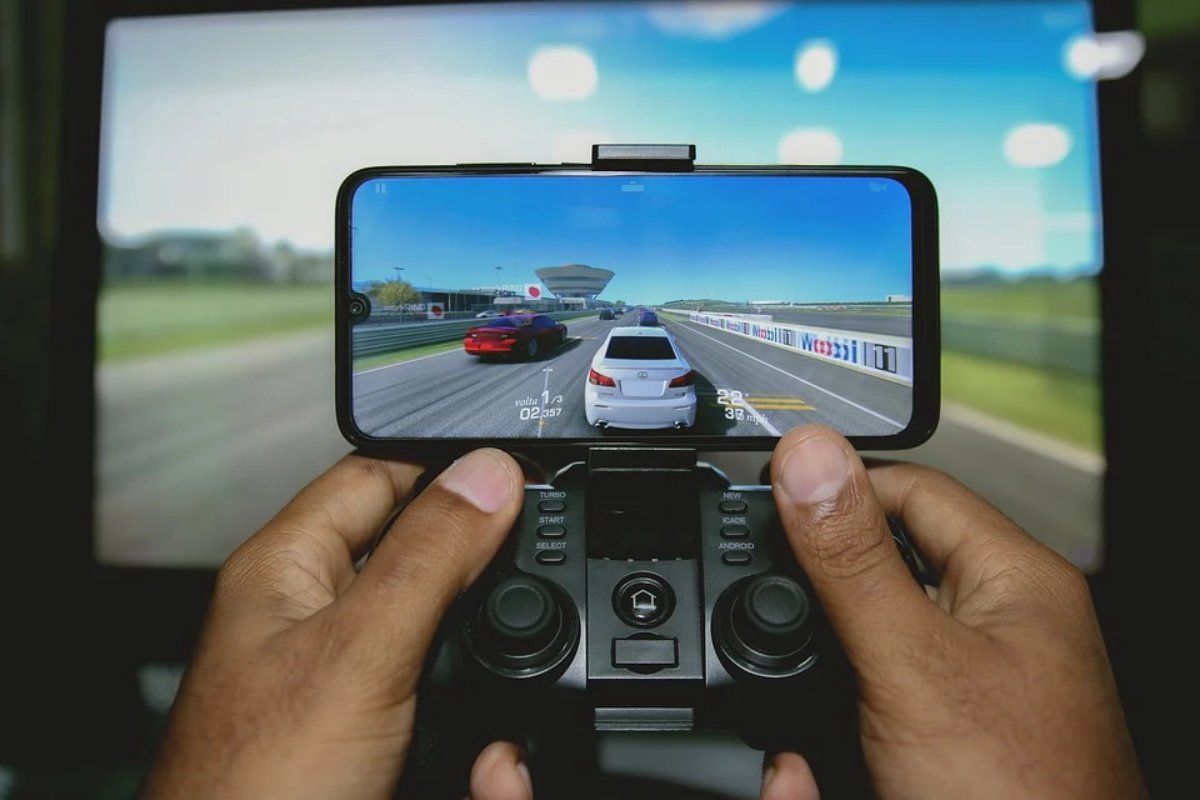
Think video games are just for kids? Think again. Today, 3.58 billion people—nearly half the planet—are gamers. What began as simple blips on a screen has exploded into the world’s most dynamic form of entertainment, art, and social connection. In 2025, video games are a cultural and economic powerhouse, a tool for cognitive growth, and a window into our technological future. This isn’t just about playing; it’s about how interactive digital worlds are reshaping our real one. Let’s explore the incredible journey, the proven benefits, and the exciting horizon of video games.
Table of Contents
From Arcades to AI: The Evolution of Play
The story of video games is a sprint through technological history. It started in 1972 with Pong, a simple electronic tennis match that sold millions and ignited the arcade craze. The late 70s and 80s brought games into the home with consoles like the Atari 2600 and the iconic Nintendo Entertainment System (NES), which revived a crashed market with classics like Super Mario Bros..
Each decade introduced a revolution: the CD-ROM in the 90s enabled epic stories like Final Fantasy VII, the online boom of the 2000s connected players globally in World of Warcraft, and the smartphone turned everyone into a gamer with hits like Angry Birds. Now, we stand at the edge of the next frontier: AI-generated worlds and immersive virtual reality. Games have constantly pushed the limits of processing power and creativity, evolving from a niche hobby to a central pillar of modern tech and culture.
Leveling Up Your Mind: The Science-Backed Benefits
For years, games were criticized as mindless. Modern research tells a radically different story. When played purposefully, video games are powerful tools for cognitive and social development.
-
The Brain’s Workout: Strategic games act as a cognitive gym. A pivotal meta-analysis published in the respected journal Nature Human Behaviour found that action video game training enhances attention, spatial skills, and problem-solving. A pivotal meta-analysis published in the journal Nature Human Behaviour, accessible via ScienceDirect, concluded that action video game training enhances attention, spatial skills, and problem-solving. Navigating a complex puzzle in Portal or managing resources in a strategy title strengthens neural pathways for executive function and critical thinking.
-
Building Social Bridges: The stereotype of the isolated gamer is dead. For millions, games are the new social square. Platforms like PlayStation Network and Xbox Live, and cooperative games like Among Us, create spaces for teamwork and communication. In fact, a 2023 report by the Entertainment Software Association (ESA) highlights that over 70% of gamers play with others, often forming meaningful friendships through shared digital experiences.
-
A Tool for Wellbeing: Beyond fun, games offer measurable mental health benefits. Studies using biofeedback have shown that immersive, non-violent games can reduce cortisol levels, lowering stress. Therapists use game-like VR environments to treat anxiety and phobias, a practice supported by research indexed in databases like PubMed. Even simple, mindful games can provide a healthy digital escape and a sense of achievement.
The 2025 Landscape: Trends Redefining the Industry
The video game industry in 2025 is a mature, thriving ecosystem. According to the definitive Newzoo Global Games Market Report, the market is now valued at $188.8 billion, according to Statista’s latest market report.. It’s no longer just growing—it’s evolving in smart, sustainable ways.
| Trend | What It Means | Real-World Example |
|---|---|---|
| The “Premium” Correction | A consumer shift back toward complete, story-driven games over endless live-service models. | Success of narrative RPGs like Clair Obscur: Expedition 33, named a top title for 2025 by critics at The Economist. |
| Indie Innovation | Small studios leading creative risk-taking, often funded directly by players. | Anticipation for Hollow Knight: Silksong, a sequel to a Kickstarter-funded phenomenon. |
| The Kindness Revolution | Online communities and game design emphasizing cooperation and positive interaction. | Games like ARC Raiders building mechanics around helping other players. |
| Accessibility First | Design principles making games playable for people with a wide range of abilities. | Ubisoft’s detailed accessibility options in Assassin’s Creed Shadows, praised by advocates. |
| Green Gaming | A push for energy efficiency in hardware and sustainable practices in development. | New console chips from NVIDIA and AMD designed to cut energy use by up to 30%. |
The Future Controller: What’s Next for Gaming?
The next level of play is already loading. Cloud gaming services, like Xbox Cloud Gaming, promise high-end play on any device, eliminating the need for expensive hardware—a trend analyzed in depth by tech reviewers at IGN.
Virtual and Augmented Reality are moving beyond the niche, with devices like the Meta Quest 3 making immersive worlds more accessible.
Most intriguingly, generative AI is beginning to create dynamic, responsive worlds and intelligent NPCs that make each playthrough unique, a development tracked by industry analysts like Digital Foundry.
The future of video games is one of greater inclusion, deeper immersion, and positive impact. They will continue to be a primary driver of tech innovation, from computer graphics to AI, while becoming an even more seamless and meaningful part of our daily lives.
Press Start on a New Perspective
Video games have traveled an incredible path from pixelated paddles to vast, living worlds. They are:
-
A proven catalyst for cognitive and social skills, as established scientific literature shows.
-
A cultural and economic titan shaping modern entertainment, with clear data from market leaders like Newzoo.
-
A testing ground for the future of technology and human interaction.
Ready to see games in a new light? This week, pick one title outside your usual genre—try a narrative indie game, a cooperative adventure with friends, or a thoughtful puzzle. Experience firsthand how modern games challenge, connect, and inspire.