
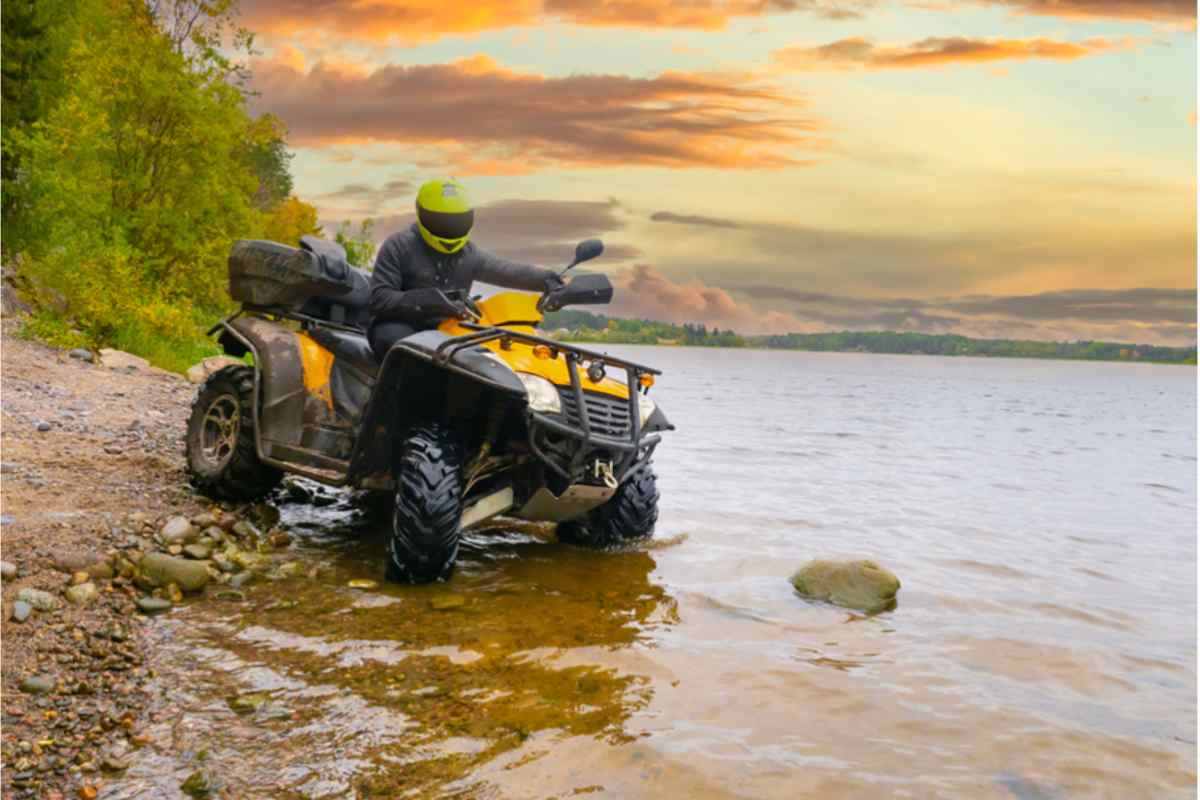
The Unsung Hero of ATV Adventures
You wouldn’t dream of hitting the trails without a full tank of gas, so why gamble with a compromised helmet? It strikes me as a peculiar paradox: we meticulously maintain our machines, yet often neglect the very piece of equipment designed to safeguard the operator.
Your ATV helmet isn’t merely an accessory; it’s the steadfast guardian of your most precious asset: your brain. Like any trusted companion, it requires periodic evaluation, and, alas, eventual replacement. It begs the question: are we truly cognizant of the silent sacrifices our helmets make on our behalf?
The helmet is there to do more than just shield your head. It is also a vital tool for communication. You can use your helmet for off-road communication to connect wirelessly with your fellow riders.
Why does this matter, you ask? We’re talking about the prevention of traumatic brain injuries, outcomes that can irrevocably alter lives. Helmets, like all things, degrade over time. To ignore the telltale signs of wear and tear is to engage in a perilous game of chance with one’s own well-being.
We all know that ATV helmets get hit with more than their fair share of wear and tear. Muddy and dirty trails will do a number on just about anything you’re wearing, including your helmet.
So, how do you identify if it’s time to replace your riding safety gear? Here are the signs:
Table of Contents
7 Signs Your ATV Headgear is Toast (and Why You Should Care!)
1. The Helmet Is Cracked or Bent
Most helmets are made of Kevlar, polyethylene or carbon fiber, all durable materials that will cushion the blow of impact in a collision. But these materials aren’t indestructible.
They will crack or dent when they collide with another hard object. The helmet shouldn’t crack unless it’s involved in an accident, but you could also crack the shell by dropping it from too high a distance.
Check the inner and outer lining for any cracks or weak spots before riding.
2. It No Longer Fits
Some helmets lose their shape and fit over time, so don’t be surprised if your helmet doesn’t wrap around your head like it used to. The materials may contract or expand in extreme temperatures.
The adjustable strap that tightens the helmet can also become frayed or loose with age.
Many helmets are one-size-fits-all, but you can always upgrade to a larger or smaller helmet if necessary.
Make sure the helmet is securely attached to the top of your head before riding. It shouldn’t fall off or slide when you bend over or lean to the side.
The strap should stay in the same position without adding slack.
3. It Makes It Uncomfortable to Ride
Nothing takes the fun out of riding an ATV like an uncomfortable helmet. The gear should make your ride more enjoyable by cushioning the top and sides of your head.
Your ears shouldn’t feel squished and your head should be flush against the padded surface. Watch out for worn spots or hard edges that irritate the skin.
4. The Expiration Date Has Passed
Most helmets don’t come with a set expiration date, but they tend to last anywhere from five to seven years.
If your helmet is coming up on its seventh birthday, it might be time to swap it out. The rule is not an absolute.
The level of tear and wear depends on how often you use the helmet. If you rarely ride and are adamant about cleaning the helmet after every run, it may last even longer.
Storing it in the proper location will also help extend the lifespan of the helmet. Treat your equipment with care to make it last the test of time.
5. It Was Involved in an Accident
Once the helmet has been involved in an accident or exposed to serious impact, it should be replaced even if it appears intact.
There could be structural damage inside the helmet that will make it less effective in future accidents. Put the damaged helmet off to the side or recycle it to ensure it stays off the road.
6. The Padding Is Worn
The padding inside the helmet is one of the most important features.
It not only makes your ride more comfortable but is also designed to help absorb the impact of the collision so it doesn’t go to your head.
The padding is usually made of foam that’s applied to the inside of the helmet with an adhesive. The padding itself will start to fray with age and the adhesive lining will break down with sweat.
Consider replacing the padding if the outer shell is still usable.
7. You’re Using the Wrong Helmet
ATV helmets aren’t the same as motorcycle helmets. The former comes with additional protection from the elements while motorcycle helmets are designed for less aggressive riding.
A motorcycle helmet should be enough to keep you safe on quiet, scenic trails.
But if you are using a motorcycle helmet and plan to do some serious racing or off-road exploring, it’s time to upgrade to a full-face ATV helmet.
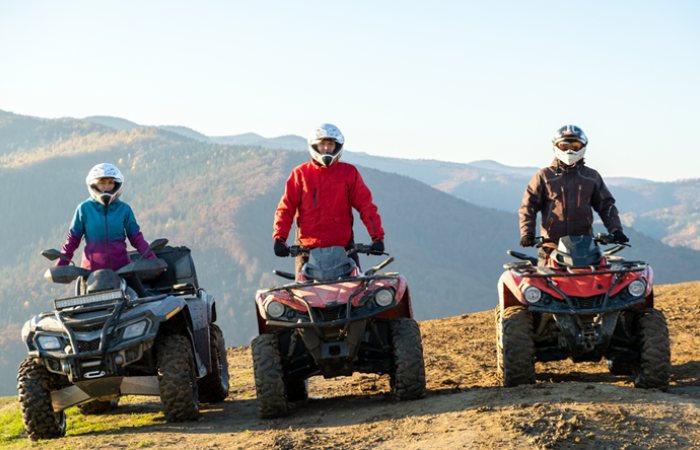
Get in the habit of inspecting all aspects of the helmet before and after you ride. If the helmet is damaged, you can order a replacement right away so you don’t miss the next big race.
Regardless of whether you decide to replace your ATV helmet, make sure your helmet communication device is still compatible to sync up with your pals on the trail. Riding is always more enjoyable in a group!
The Great Debate: Mandatory Laws vs. Personal Freedom (A Quick Take)
The debate surrounding mandatory helmet laws is a complex tapestry woven with threads of personal liberty and public safety. Some argue that such laws infringe upon individual autonomy, while safety advocates point to irrefutable data demonstrating a significant reduction in head injuries when helmets are worn.
The discourse surrounding helmet usage can also vary based on the type of vehicle, with differing opinions on ATV vs. Side-by-Side (SXS) vehicles.
Regardless of legal mandates, expert opinion is virtually unanimous: wearing a properly fitted and well-maintained helmet is crucial for mitigating the risk of serious injury. The choice, ultimately, rests with the individual.
Looking Ahead: The “Smart Helmet” Revolution
Envision a future where helmets transcend their traditional role as mere protective devices, evolving into sophisticated hubs of information and communication.
Consider these potential advancements:
- AR Displays: Imagine integrated Augmented Reality (AR) displays projecting navigation data, speed readings, and even 360-degree views directly onto your visor.
- Integrated Comms & Voice Control: Seamless connectivity and hands-free operation, allowing you to stay connected without compromising safety.
- Health Monitoring & Crash Detection: Helmets equipped with sensors capable of monitoring your vital signs and automatically summoning help in the event of a crash.
- Airbags & Noise Cancellation: Additional layers of protection and enhanced comfort, shielding you from both impact forces and distracting noise.
- Self-Cleaning & Cooling: Integrated systems designed to keep your helmet fresh, clean, and cool, even during strenuous rides.
- Modular Designs: Helmets that can be customized to suit your individual needs and riding style.
Conclusion: Don’t Be a Hard Head – Upgrade Your Headgear!
Let’s reiterate the seven critical warning signs: impact damage, ill-fitting, exterior damage, compromised inner core, strap damage, visibility issues, and age.
Your safety is an invaluable asset; do not hesitate to replace an old or damaged ATV helmet. The cost of a new helmet pales in comparison to the potential consequences of a head injury.
Ride smart, ride safe, and ensure that your most valuable asset is adequately protected. The peace of mind is well worth the investment.