
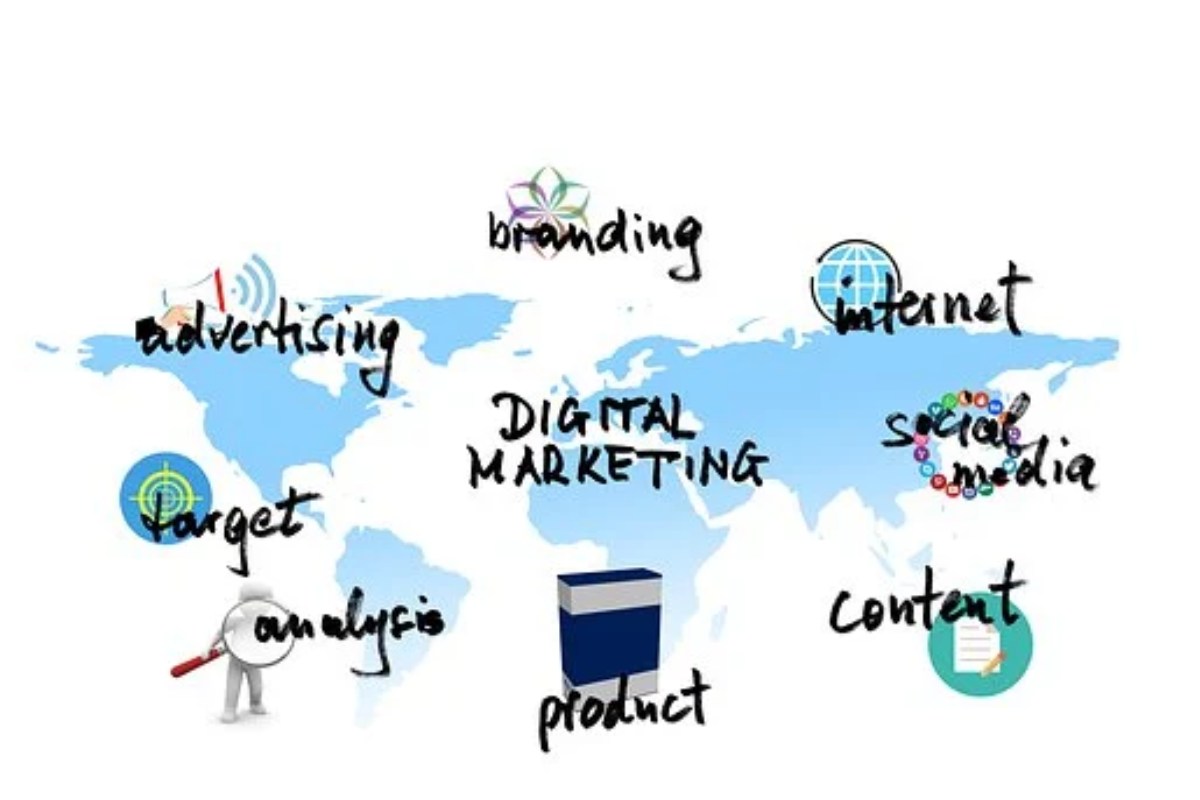
Digital marketing is the process of using the internet and other digital channels to promote a company or product. It includes everything from email campaigns and social media posts to online ads and website content. Digital marketing is a relatively new field, and it is constantly evolving. As new technologies are developed, marketers must find new ways to reach their target audiences. However, the basic principles of digital marketing remain the same: creating engaging content, building relationships with customers, and driving sales. By understanding these principles, businesses can create effective digital marketing campaigns that will help them reach their goals.
Discover the essential strategies to navigate the vast digital ocean and steer your business towards sustainable growth and unprecedented expansion.
Table of Contents
Intro: Drowning in the Digital Ocean?
Ever feel like your business is a tiny boat in a vast, wild digital ocean? The waves of algorithms crash, the currents of trends shift daily, and you’re left wondering if you’ll ever reach the shore? You’re not alone! It’s easy to feel lost amidst the constant noise and fleeting fads.
Digital marketing isn’t just a buzzword; it’s the compass and engine you need to navigate the online world and expand your business. Think of it as less of a daunting ocean and more of a complex, interconnected ecosystem waiting to be explored. Forget the old ways; the future is digital, and it’s unfolding at breakneck speed. The question is, how do you harness its power?
We’re breaking down the top 4 (plus a few bonus!) strategies to get your business sailing smoothly towards expansion. Consider this your guide to understanding the tides and currents, allowing you to chart a course toward sustainable growth.
A Blast from the Past: How We Got Here (The Digital History Lesson)
To truly understand where we’re going, we need a quick glimpse into the past. The digital landscape wasn’t built overnight; it evolved through distinct phases, each shaping the marketing world we know today.
- The Dawn of the Internet (90s): Remember the first banner ad in ’94? AT&T, with a mind-blowing 44% click-through rate! Imagine that kind of engagement today. Email marketing was also born, a low-cost revolution. Early adopters were essentially homesteading in a new territory. It was a simpler time, perhaps, but also full of untapped potential.
- Google’s Game Changer (Late 90s – Early 2000s): Google arrived and SEO became the new frontier. The scramble for the top spot in search results began, and the art of keyword stuffing reigned supreme (for a while, at least!). Oh, the wild west days! Analytics tools started peeking into user behavior. This was the era of deciphering the digital hieroglyphs, trying to understand how users interacted with this nascent online world.
- Social & Mobile Explosion (Mid-2000s): Facebook in ’04, iPhone in ’07 – suddenly everyone was online, everywhere. Social media became a two-way street for brands, and mobile-first wasn’t a suggestion, it was a necessity. Marketing became a conversation, a dialogue instead of a monologue.
- Data, AI, and the Present (2010s – Now): Content became king, influencers emerged, and programmatic ads automated everything. Now, AI is the new superpower, predicting what you want before you even know it! We’re awash in data, facing the challenge of extracting meaningful insights and applying them ethically and effectively.
Bonus Power-Ups:
- Paid Ads (PPC): Instant visibility, targeted reach. Think Google Ads, social ads. (Gump’s saw 92% sales increase!)
- Influencer Marketing: Authentically connect with new audiences through trusted voices. (Gymshark’s garage-to-millions story!)
- Video Marketing: Show, don’t just tell! Product demos, testimonials, behind-the-scenes. (Dollar Shave Club went viral and sold for a billion!)
- Data & CRM: Know your customers, track your success, and make smarter decisions. McDonald’s and Spotify are masters of personalization through data.
1. Create Engaging Content
One of the most important aspects of digital marketing is creating engaging content. This includes everything from blog posts and articles to videos and infographics. The goal is to create content that is interesting, informative, and useful to your target audience. When creating content, be sure to keep your audience in mind. What are they interested in? What would they like to learn more about? However, what type of information would they find useful? By creating content that appeals to your target audience, you’ll be more likely to engage them and build relationships with them.
2. Build Relationships with Customers
Another important aspect of digital marketing is building relationships with customers. In order for customers to purchase products or services from a business, they must first trust the business. Therefore, it’s important to build relationships with customers and create a level of trust. So there are a few ways to do this:
- Respond to customer inquiries promptly
- Offer customer support
- Send thank-you notes or emails after a purchase is made
- Follow up with customers after they’ve received their product or service
Build Relationships with customers using social media platforms.
Social media platforms are a great way to connect with customers and build relationships with them. Moreover, there are a number of different social media platforms, each with its own unique features and audience. However, some of the most popular social media platforms include Facebook, Twitter, Instagram, and LinkedIn. By creating profiles on these platforms and sharing engaging content, businesses can reach a wider audience and build relationships with more people.
By building relationships with customers, businesses can create a loyal customer base that will continue to support the business.
3. Drive Sales
Digital marketing can also be used to drive sales. By creating engaging content and building relationships with customers, businesses can encourage customers to purchase their products or services. However, there are a few ways to do this:
- Include calls to action in content
- Offer discounts or coupons
- Provide an easy way to purchase products or services online
- Make it easy for customers to find your website or store
By driving sales, businesses can generate revenue and grow their business.
4. Use Digital Marketing Tools
There are a number of digital marketing tools available that can help businesses reach their target audiences. Some of the most popular digital marketing tools include:
- Social media: platforms such as Facebook, Twitter, and Instagram can be used to promote content and build relationships with customers.
- Email: businesses can use email to send newsletters, updates, and special offers to customers.
- Websites: businesses can use their website to provide information about their products or services, as well as a way for customers to purchase products or services.
Websites are a great way to expand your business, but if you don’t have one yet there’s no need to worry! Contact Sunshine Coast Web Design and they will get started on creating the perfect website that is tailored just right.
– SEO: businesses can use SEO to improve their website’s ranking in search engine results and also buy SEO backlinks, making it easier for customers to find the business.
By using digital marketing tools, businesses can reach a larger audience and promote their products or services more effectively.
Digital marketing is a powerful tool that can help businesses reach their target audiences and achieve their goals. By understanding the principles of digital marketing and using the right digital marketing tools, businesses can create effective campaigns that will engage customers and drive sales.
Want to know more about Digital Marketing? Contact Sunshine Coast Digital Marketing to get started!
Conclusion: Ready to Ride the Digital Wave?
Digital marketing is a powerful, ever-evolving force. From its humble beginnings to its AI-driven future, it’s essential for any business looking to expand. The speed of change can be dizzying, but the opportunities are immense.
Don’t just dabble; strategize, adapt, and prioritize ethical practices. The digital landscape is yours to conquer, but only if you approach it with a thoughtful and responsible mindset.
The only constant in digital marketing is change. Stay agile, stay curious, and your business will thrive. The future belongs to those who embrace innovation while remaining grounded in ethical principles. So, are you ready to ride the digital wave?